Memory foam pillows are designed to respond to body heat and pressure, gently contouring to the head and neck. This adaptive feel can help distribute pressure more evenly during rest. As a bedding option, they differ from traditional fill pillows, which tend to shift more readily and provide support through loose materials.
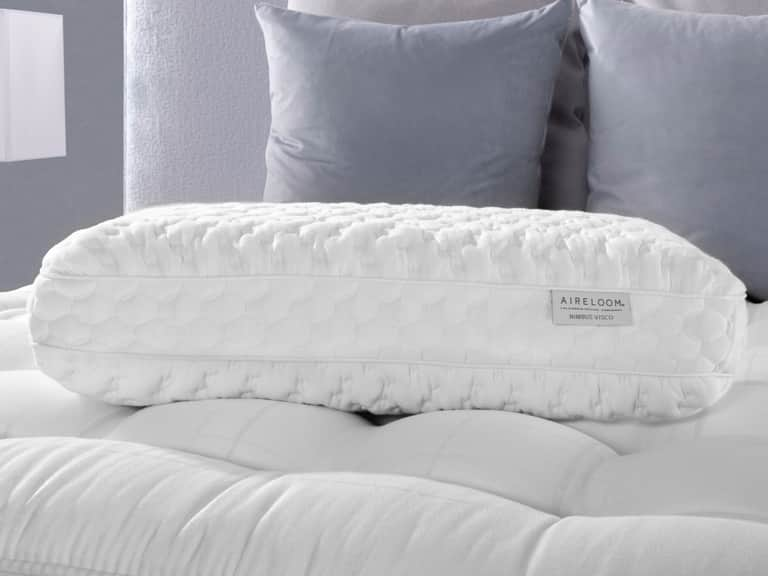
The Aireloom Nimbus Visco High Profile Pillow combines viscoelastic, or memory foam, with a high-profile shape. Its taller loft may suit sleepers who need more height beneath the head, depending on body type, mattress firmness, and preferred sleep position. Pillow height influences alignment, so comfort and support needs vary from person to person.
Memory foam pillows generally retain their shape more consistently than down or fiberfill alternatives, while contouring to individual pressure points. The foam’s response may feel slower and more conforming than that of springier materials. These characteristics can be useful for sleepers seeking a stable pillow surface, though preferences for softness and loft differ.
When assessing a pillow, consider sleeping position, shoulder width, and how the head aligns with the spine. Side sleepers often prefer greater loft, while back and stomach sleepers may need a lower profile. A high-profile visco pillow such as the Aireloom Nimbus may be appropriate when its height matches a sleeper’s ergonomic needs.
Memory foam pillows are one part of a broader bedding setup that may include sheets, mattress protectors, and mattresses. Material choices vary across categories: organic mattresses and organic crib mattresses are designed with distinct construction considerations and intended users. Comparing pillow loft, foam feel, and care guidance helps clarify how each item serves its purpose.
 Bedding